
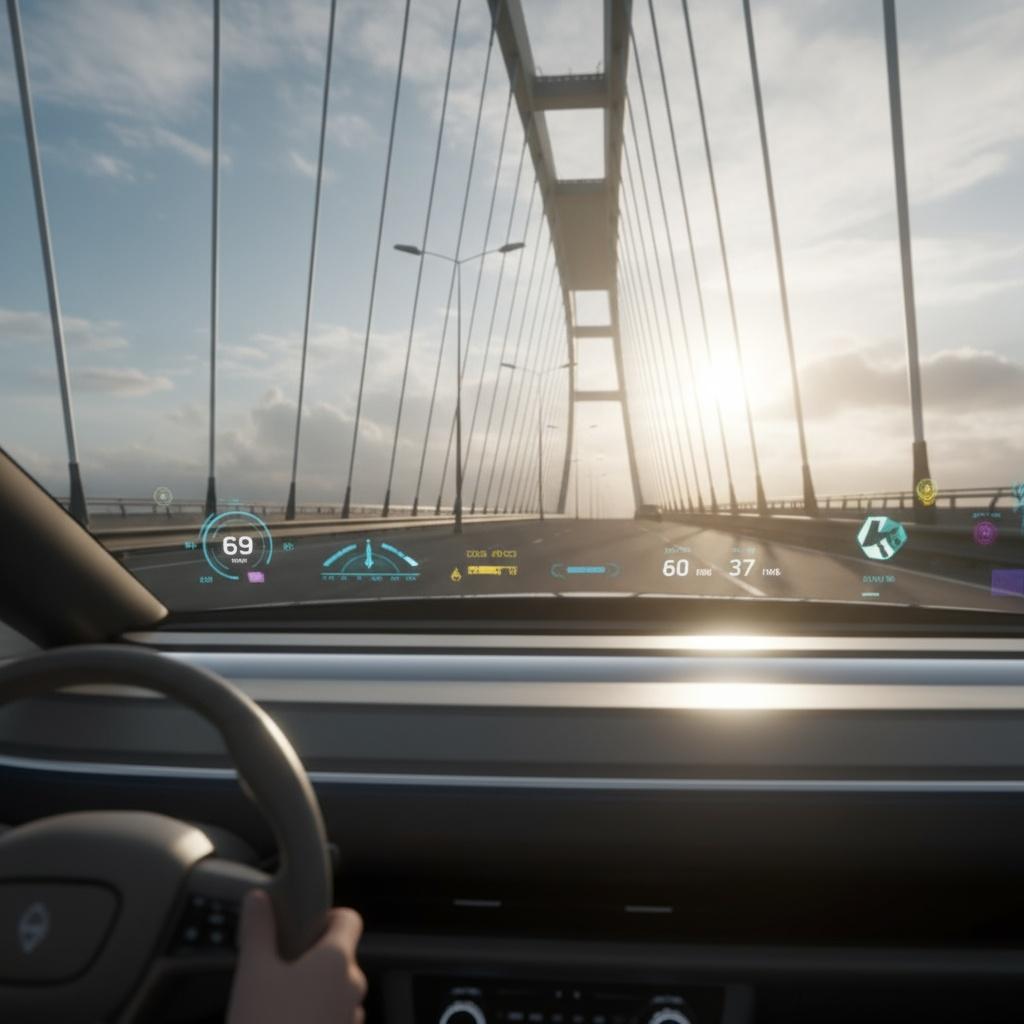
ZEISS, a renowned leader in optical technologies, and LG Chem, a global frontrunner in advanced materials, have entered a strategic partnership aimed at transforming the industrial-scale supply of photopolymer films. This alliance focuses on enabling the next generation of advanced optics, particularly targeting the emerging field of automotive holographic windshield displays.
Strategic Alliance for Industrial-Scale Photopolymer Solutions
The collaboration between ZEISS and LG Chem centers on the co-development and secure supply of photopolymer films—specialized materials essential for manufacturing cutting-edge holographic windshield displays (HWDs) designed for future vehicles. By integrating LG Chem’s advanced photopolymer materials within the ZEISS Microoptics Enabling Ecosystem, the partners aim to establish a robust and sustainable supply chain that can meet growing industrial demand.
Innovating Automotive Displays for the Future
Holographic windshield displays represent a breakthrough in automotive technology, enabling dynamic projection of driving information and augmented reality directly onto the windshield. ZEISS and LG Chem are jointly developing customized photopolymer solutions tailored to meet stringent automotive standards. Their goal is to support original equipment manufacturers (OEMs) with scalable production capabilities targeting serial deployment by 2029, ushering in a new era of in-car user experience and safety.
Strengthening Supply Chain Resilience and Long-Term Growth
This partnership is not only about innovation but also about ensuring supply chain resilience amid rapid technological evolution and fluctuating market demands. Securing an industrial-scale photopolymer supply reduces risks related to material shortages and helps sustain long-term growth in optical technologies. This proactive approach addresses challenges associated with advanced holography and supports a stable material foundation for future mobility solutions.
Industry Impact and Leadership
By combining ZEISS’s deep expertise in optical engineering with LG Chem’s leadership in advanced material development, this alliance creates a powerful synergy that elevates the capabilities of both companies. The partnership sets a new benchmark for collaboration in hardware and electronics sectors, positioning them at the forefront of innovation in holographic optics, automotive technology, and beyond.
Looking Ahead
With plans to begin serial production of photopolymer-enabled holographic windshields by 2029, the ZEISS-LG Chem partnership highlights a clear vision for the future of automotive display technology. Their commitment to research, development, and supply chain optimization embodies a forward-thinking strategy that will likely influence advancements in optics and automotive sectors for years to come.
Summary: ZEISS and LG Chem’s strategic partnership focuses on co-developing photopolymer films for next-gen automotive holographic windshields, aiming for OEM production by 2029. This collaboration enhances supply chain security and drives innovation in advanced optics.