
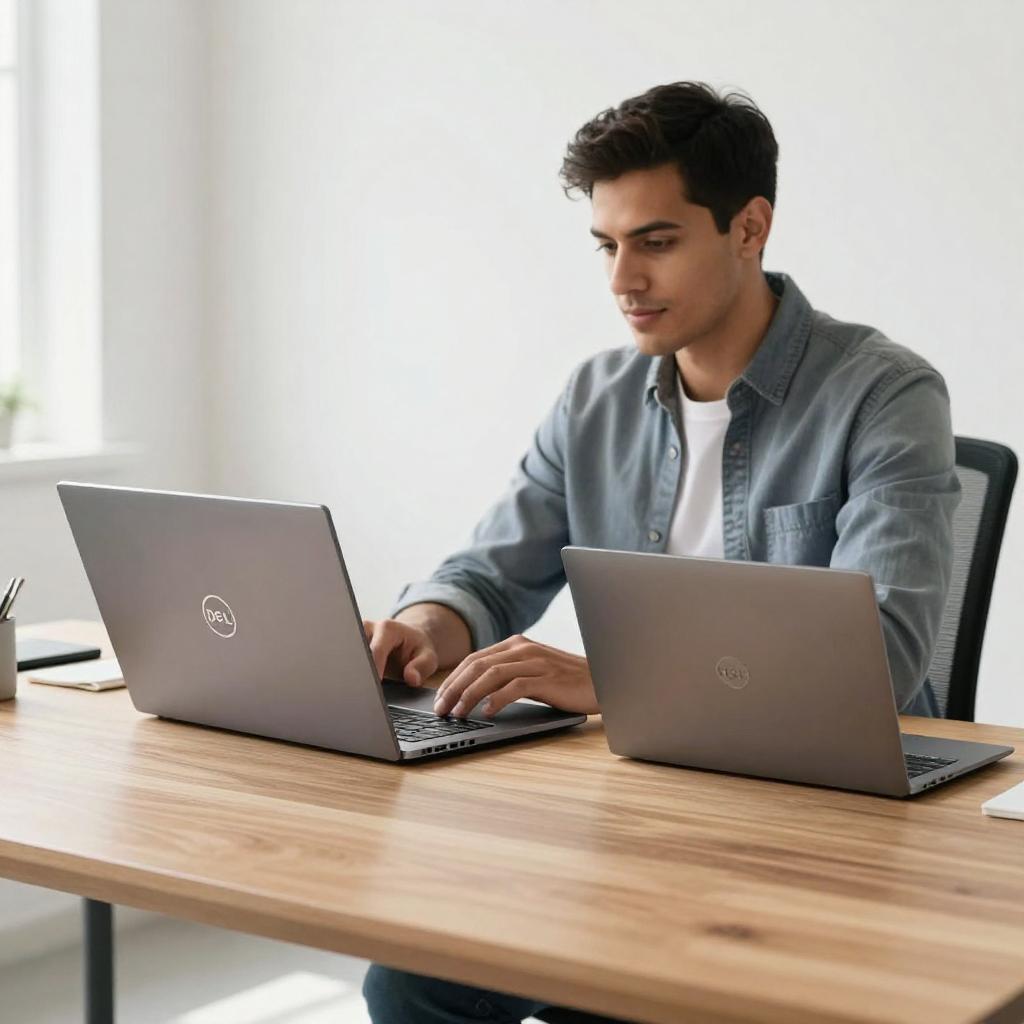
Dell has revived its popular XPS laptop line with two new models: the XPS 14 and XPS 16. Once a leader in premium Windows laptops praised for innovation and design, the XPS brand took a backseat to Dell Premium for a time but now returns with renewed focus and substantial upgrades. The 2026 XPS laptops blend sleek modern aesthetics, powerful hardware, and thoughtful feature improvements to reclaim their position among top-tier ultraportables for creators and professionals.
Design and Build Quality: Modern, Lightweight, and Premium
The new XPS 14 and 16 models feature a more angular, boxy appearance compared to the sharply tapered designs of prior years. This styling brings an elegant yet functional feel that some compare to Apple’s MacBook Air in terms of sophistication. Both laptops boast solid, premium builds with embedded physical cues like a visible trackpad edge and a tactile keyboard that balances slim form with 8 mm key travel for comfortable typing.
In terms of size and weight, these XPS laptops are impressively compact. The 16-inch model weighs around 3.7 pounds, slightly lighter than many of its 16-inch competitors, while the 14-inch XPS tips the scales near 3 pounds, comparable to smaller ultraportables like the 13.6-inch MacBook Air. Two color options — graphite (dark) and shimmer (light) — provide style flexibility, with graphite launching first.
Display Excellence with OLED and High Refresh Options
Both laptops offer two display choices: an energy-efficient 1920 x 1200 IPS panel optimized for longer battery life, and a vibrant high-resolution Tandem OLED panel that delivers deeper blacks, higher contrast, and supports touch input. Notably, the IPS panel can achieve a brighter standard dynamic range (SDR) experience than the OLED for some content, although OLED shines with richer color rendition and true blacks.
Variable refresh rates from as low as 1Hz (IPS) or 20Hz (OLED) to 120Hz help preserve battery life during static viewing while providing smooth motion when needed — a mobile phone-inspired feature now gaining traction in premium laptops.
Powerful and Balanced Performance with Intel Core Ultra Processors
Under the hood, both XPS 14 and 16 utilize Intel’s latest Core Ultra Series 3 CPUs (known as Panther Lake) paired with integrated Intel Arc GPUs featuring 12 Xe cores. Available processors range from the efficient Ultra 5 and Ultra 7 (8 cores) for everyday tasks to the capable Ultra X7 and X9 (16 cores) suited for demanding workloads like coding, audio production, and light gaming.
Dell prioritizes optimized thermal design and balanced power delivery over maximum sustained CPU power — the XPS 14 sustains 25W (bursting to 65W), while the XPS 16 sustains 35W (also with 65W bursts). This conserves battery life and chassis temperature without sacrificing noticeable performance for most users. Multiple performance modes allow toggling between quiet, balanced, and ultra-performance states.
Enhanced User Experience: Features and Connectivity
The laptops include a high-resolution 4K webcam embedded discreetly within thin bezels, equipped with Windows Hello facial recognition for quick, secure login. Audio is a standout, featuring a set of top-firing speakers integrated into the keyboard deck and downward-facing woofers. This arrangement delivers loud, clear, stereo sound that some reviewers believe rivals Apple’s MacBook Pro speaker quality.
Port selection leans towards USB-C Thunderbolt 4 connectivity, with three USB-C ports and a headphone/mic combo jack. Notably, charging can be done from either side thanks to ports on both edges. The included charger is a compact 100W USB-C brick enabling rapid charging to 80% in just 40 minutes.
For wireless, the laptops come with Wi-Fi 7 and Bluetooth 6 support, while storage options include PCIe Gen 5 and Gen 4 SSDs, with memory up to 64GB of LPDDR5X RAM — specifications delivering future-proof speed and responsiveness.
Looking Ahead: Separate Models for Dedicated GPUs and More Features
While the XPS 14 and 16 emphasize portability, battery life, and integrated graphics, Dell acknowledges the demand for more powerful dedicated GPU configurations. To serve creators and gamers needing beefier GPUs, Dell plans to release a slimmed-down Alienware 16-in laptop with discrete graphics. Additionally, the company promises more XPS models with expanded ports, including SD card readers, especially catering to the larger form factors.
Conclusion: A Convincing Return to the Premium Game
Dell’s new XPS 14 and 16 laptops mark a significant step toward regaining the premium Windows laptop crown. Their blend of modern design, efficient yet strong Intel Core Ultra processors, vibrant displays, and rich audio make them compelling choices for creators and professionals seeking a MacBook-like experience on Windows. Though lacking discrete GPUs, these machines deliver balanced all-day productivity with an emphasis on usability and style. As Dell promises continued expansion of the XPS lineup, fans of the series have much to look forward to in 2026 and beyond.
Sources: Based on recent hands-on reviews, Dell official announcements, and technology analysis articles.