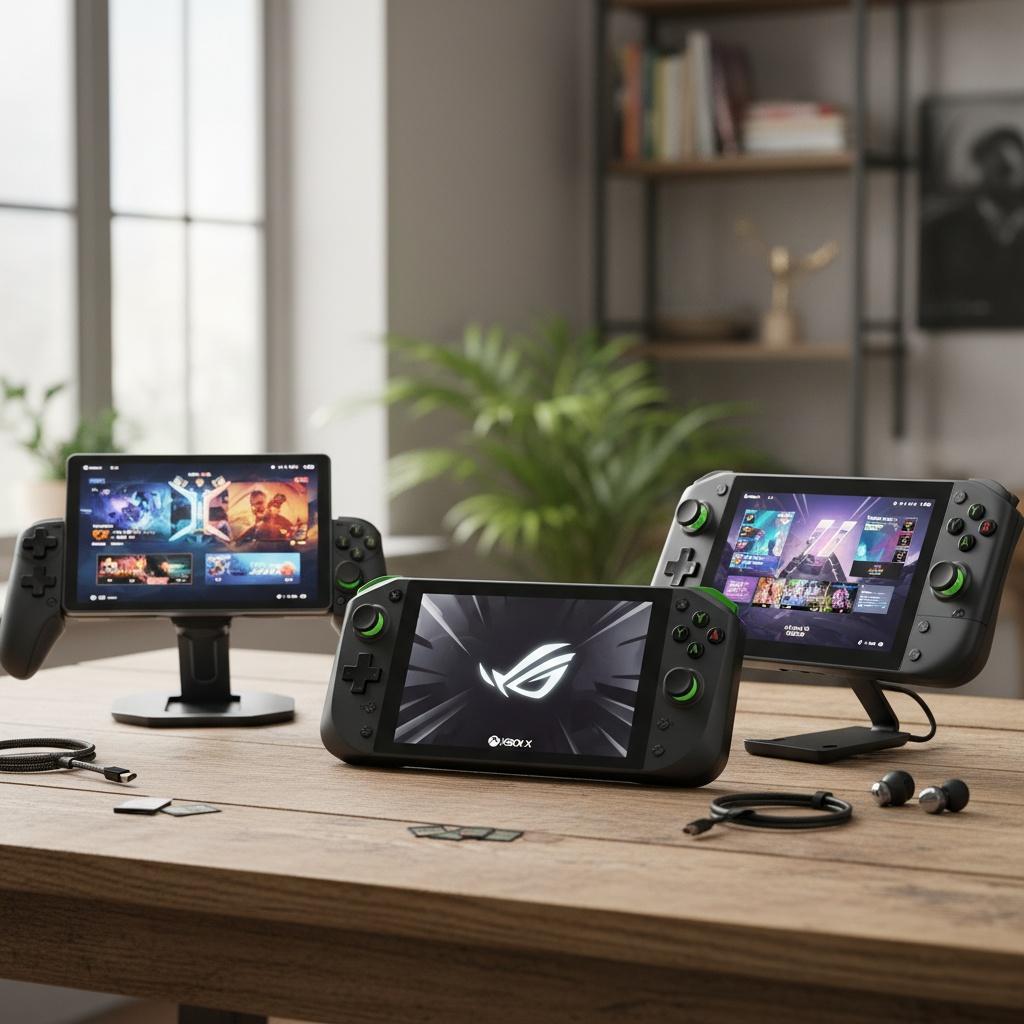
In 2025, the handheld gaming device market is richer and more competitive than ever, presenting gamers with a variety of powerful options designed to fit different needs, budgets, and preferences. From pure gaming performance to screen quality and battery life, the newest handheld PCs like the ROG Xbox Ally X, Lenovo Legion Go 2, and the Steam Deck OLED all bring exciting capabilities to the table. This guide breaks down their strengths, weaknesses, and unique features to help you decide which is the best gaming handheld for you.
Choosing Between Windows and SteamOS
The fundamental choice when picking a gaming handheld is the operating system: Windows or SteamOS. SteamOS, used in devices like Steam Deck and one version of the Legion Go S, excels with seamless Steam integration, quick boot times, and ease of use—ideal for gamers primarily invested in Steam titles. It also boasts robust emulator support for retro gaming.
In contrast, Windows provides versatility and broader game store access (including Xbox Game Pass), allowing use as a full PC with external peripherals. However, it tends to be heavier on system resources and less optimized for small touchscreen controls. Devices like the ROG Xbox Ally X and Legion Go 2 run Windows, offering higher customization and performance but sometimes at the cost of complexity.
Performance and Battery Life: Power Meets Portability
The ROG Xbox Ally X currently leads in raw performance, equipped with the Ryzen Z2 Extreme chip, 24 GB of RAM, and a robust 80Wh battery. This setup delivers between 80-100% better frame rates compared to more affordable variants like the cheaper Xbox Ally or Steam Deck. It’s designed for playing AAA games at 1080p medium to high settings with solid battery endurance—usually over two hours in demanding titles.
The Lenovo Legion Go 2 matches the Ally X in CPU power, featuring the same Ryzen Z2 Extreme, but offers a larger 8.8-inch 144Hz display and detachable controllers. While this beast is heavier and pricier (upwards of $1,100), it impresses with its premium build and high-end specs, though it falls slightly short on battery life.
For budget-conscious gamers or those seeking a simpler, consistent handheld, the Steam Deck OLED provides excellent value. It features an OLED 7.4-inch screen with vibrant visuals and 90Hz refresh rate, and while it’s less powerful (using 15W max power), it offers stable performance across most Steam games with the best-in-class SteamOS ecosystem and longer battery life relative to performance.
Display and Design: From Compact Elegance to Expansive Screens
The Steam Deck OLED dazzles with its bright, colorful 7.4-inch OLED panel, making it compact and comfortable for long gaming sessions. Its ergonomic design and the inclusion of two trackpads provide flexible controls.
The Legion Go 2, on the other hand, spoils gamers with an enormous 8.8-inch IPS LCD display at 144Hz, supporting 500 nits brightness and VRR. This device is perfect for gamers who want a vast, clear viewing experience and versatility with detachable controllers and a sturdy kickstand.
The ROG Xbox Ally X strikes a middle ground with a 7-inch OLED display and a unique controller design inspired by Xbox grips, praised for its comfort and hall-effect joysticks with haptic impulse triggers that elevate immersion.
Price and Value: Finding Your Budget Match
Prices reflect the capabilities: the Steam Deck OLED starts at around $549, representing the best price-to-performance ratio. The ROG Xbox Ally X commands about $800-$1,000 but delivers a premium experience on par with desktop-class gaming power.
The Lenovo Legion Go 2 is the priciest starting at roughly $1,100 but appeals to enthusiasts wanting the largest display and advanced versatility. The MSI Claw 8 AI+ is another contender with high performance and excellent battery life, but its plasticky build and cost around $900 make it less appealing compared to other polished handhelds.
Conclusion: Which Gaming Handheld to Buy in 2025?
Your choice ultimately depends on priorities. If you want peak performance and the most comfortable, Xbox-style controls, the ROG Xbox Ally X stands out as the best high-end option. For gamers seeking a balance of price, power, and user-friendly Steam integration, the Steam Deck OLED is the ideal pick, especially for those already invested in Steam games.
For those who value the biggest screen and modular features with premium materials, the Lenovo Legion Go 2 is a powerful but pricey upgrade. Meanwhile, budget-minded gamers might consider the lower-tier Legion Go S or wait for deals on older generation devices like the first ROG Xbox Ally series.
As the handheld gaming market matures, users benefit from a rich ecosystem of capable devices covering all types of gamers — from casual to enthusiast, making 2025 an exciting year for portable PC gaming.