The timing couldn’t be more frustrating for PC enthusiasts eager to build or upgrade their setups during the festive season. As Christmas approaches—a period traditionally associated with sales and happy tech buys—AMD is set to raise prices on its graphics cards starting tonight. This unexpected move has raised eyebrows and concerns among gamers and builders alike, especially given the tight budgets many face.
AMD’s Price Increase Details
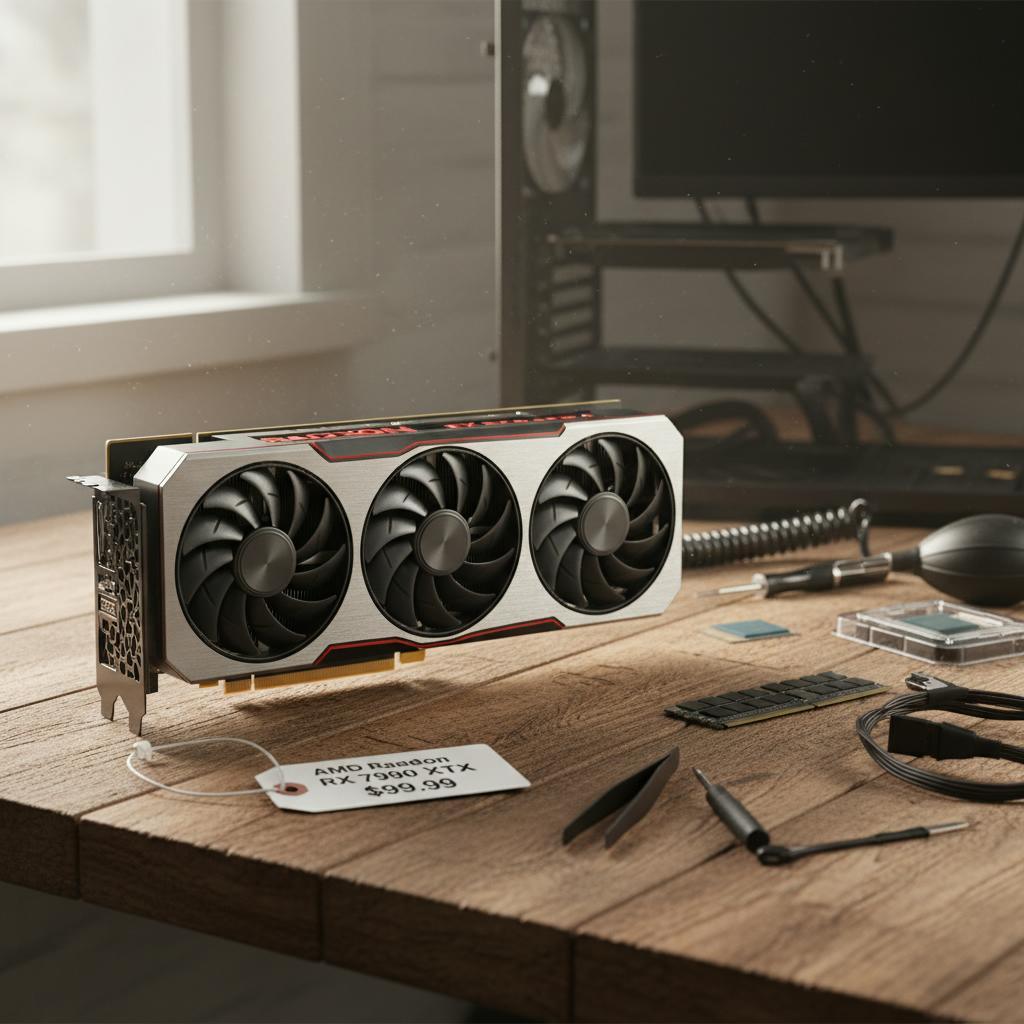
AMD announced a price hike affecting its Radeon RX 9000 series GPUs, with prices rising by approximately 10%, specifically $10 more for every 8GB of VRAM. This increase takes effect immediately and is expected to impact inventory both online and in retail stores. Although rumors circulated about a similar increase on CPUs, AMD has clarified that currently, Ryzen processors are not subject to any price changes. This distinction offers some relief for those prioritizing CPU upgrades without facing the immediate cost surge.
What’s Driving These Price Changes?
Multiple factors play into AMD’s decision. A primary contributor is the ongoing global semiconductor shortage, which affects the production of memory modules like GDDR7 used in modern GPUs and other critical components. The rise in demand for advanced RAM types like DDR5, fueled by AI development and data center expansion, has shifted manufacturing priorities. This has created a scarcity of GPU memory components, indirectly pushing AMD and others to adjust prices upward.
On the CPU front, although AMD processors aren’t seeing price hikes now, manufacturing dependencies on Taiwan Semiconductor Manufacturing Company (TSMC) mean costs could rise eventually. TSMC’s dominance in chip production for almost all major PC hardware makers gives them leverage to influence pricing based on capacity, wafer availability, and technology transitions. This situation suggests that a price increase on CPUs may occur if supply pressures persist.
Impact on RAM and Broader PC Components Market
While AMD’s price changes directly affect GPUs, RAM prices are independently soaring due to strong AI-related demand and dwindling DDR4 production. Many consumers are reverting to DDR4 builds because DDR5 remains costly and less accessible, ironically boosting DDR4 prices as supply tightens. This ripple effect means PC builders will likely face inflated costs not only from GPUs but also from memory and potentially other components like motherboards, which incorporate complex semiconductor elements.
Recommendations for PC Builders
For those ready to build or upgrade PCs, the advice is clear: if your budget can accommodate it, consider purchasing sooner rather than later. Waiting could mean facing prices at least 10% higher on GPUs, plus the ongoing rise in RAM costs. However, it is also critical that buyers avoid stretching their finances and plan prudently. The semiconductor market remains volatile, with no clear end to the price escalations driven by AI demand and supply chain constraints.
Conclusion
The current situation underscores the complexities involved in the PC hardware ecosystem. AMD’s GPU price increase tonight reflects broader industry challenges, including supply shortages and shifting priorities toward AI-friendly technologies. While CPUs remain stable for now, all signs point to continued uncertainty in component pricing. Consumers should stay informed and act cautiously, balancing immediate needs with longer-term budget considerations. The tech world’s rapid evolution, especially around AI, will likely keep hardware prices fluctuating for the foreseeable future.