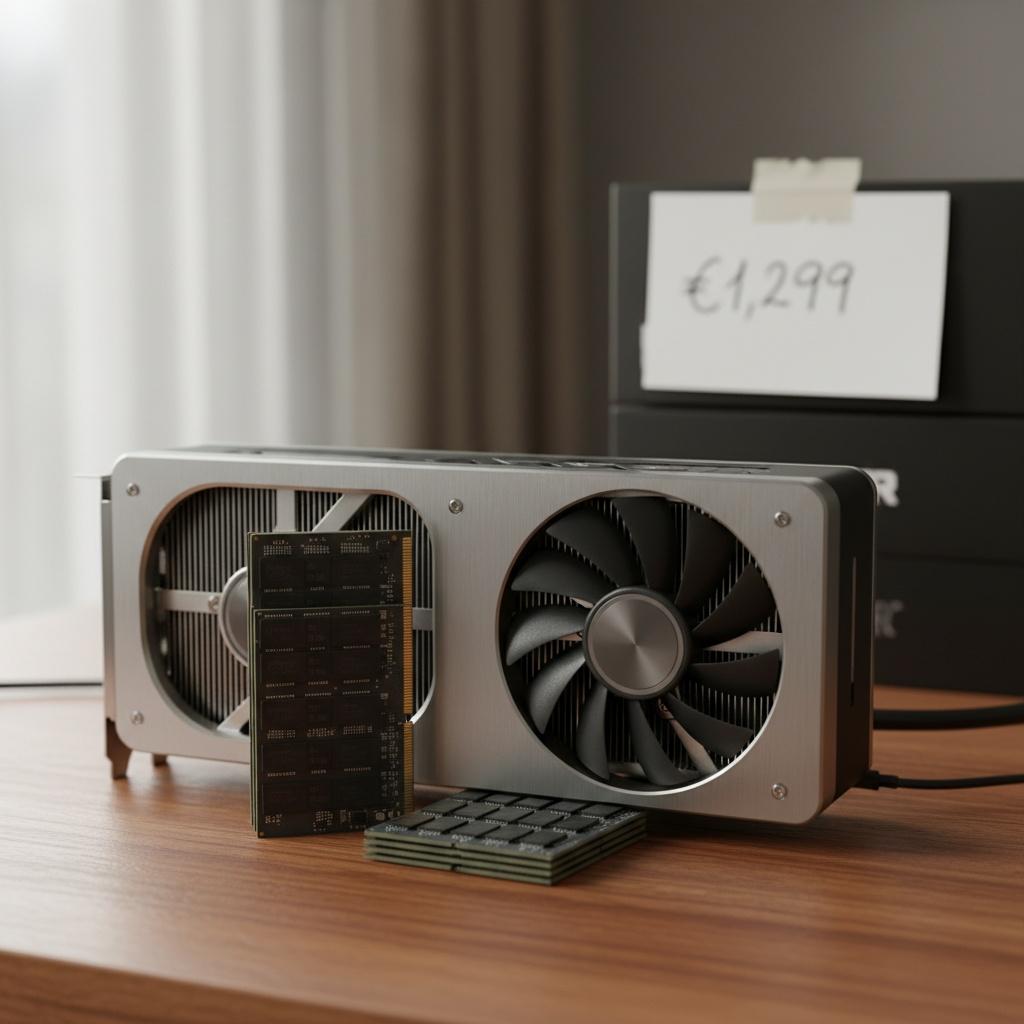
Rising DRAM prices have become a critical challenge for PC gaming hardware, with significant ripple effects now threatening the viability of NVIDIA’s RTX 50 Super series GPUs. Driven primarily by escalating demands from AI data center expansions, the shortage and soaring costs of DRAM—notably DDR5 and GDDR7 memory—are reshaping GPU pricing and availability in unprecedented ways.
As AI companies race to expand massive data center capacities, manufacturers like Samsung and SK Hynix have prioritized DRAM production towards AI and server-grade memory, squeezing supply for consumer memory products. This shift has caused the price of desktop DDR5 kits to more than double in 2025 alone, with popular 32 GB kits rising from under $125 to over $250, and even entry-level DDR5 climbing from below $100 to nearly $200. Such increases significantly raise the baseline cost for PC builds relying on modern DDR5 memory.
AI Demand and DRAM Supply Constraints
The surge in AI-driven demand is central to the DRAM supply crunch. Data center projects like OpenAI’s Stargate, with agreements to procure vast quantities of memory, have booked out production capacity at major fabs. These facilities, capable of producing multiple memory types—including the high-bandwidth GDDR7 used in gaming GPUs—are focusing on servicing these lucrative contracts. As a result, production of consumer-grade DDR and GDDR memory has contracted, causing both scarcity and price inflation.
Impact on RTX 50 Super GPUs
The RTX 50 Super series, originally anticipated as refreshed versions of NVIDIA’s RTX 50 line with larger VRAM capacities utilizing new 3 GB GDDR7 memory modules, faces direct consequences from these memory market dynamics. The increased cost and limited availability of GDDR7 chips make producing these higher-VRAM Super models financially and logistically challenging. Industry rumors and reports point toward significant delays or even potential cancellations of these GPU variants, as the elevated memory costs could raise pricing beyond competitive or reasonable levels.
For example, the projected increase in GDDR7 costs—from approximately $2.50 per gigabyte to a 30% or higher hike—could add $40–$50 or more to the memory bill of materials on mid-range GPUs. Factoring in typical manufacturer margins translates to consumer price increases possibly ranging from $25 up to over $100 for affected models, disproportionately impacting mainstream and entry-level segments that depend heavily on cost efficiency.
Wider GPU Market and AMD Considerations
NVIDIA is not alone in facing these challenges. AMD, which also utilizes similar DRAM technologies in its GPUs, is expected to be affected by the DRAM price surge and supply limitations. The broader GPU market may therefore experience general price inflation and constrained availability through early 2026 as DRAM suppliers continue to prioritize data center clients.
Although GPU vendors typically secure memory supply contracts ahead of production to stabilize costs, the current scale and urgency of AI-driven demand are exceptional. This disruption mirrors patterns observed during previous technology booms, such as the cryptocurrency mining surge, where fabs favored high-margin markets over consumer-focused products.
Should Consumers Buy Now?
Given the trends, current GPU prices remain near or slightly below manufacturer suggested retail prices (MSRP), representing the most attractive buying window in some time. Waiting could lead to encountering higher prices or limited stock once manufacturers adjust pricing to reflect increased memory costs. For buyers seeking value and availability, acting sooner rather than later may avoid imminent price hikes and supply constraints.
Conclusion
The steep rise in DRAM prices, incited by AI data center expansion needs, is exerting intense pressure on the GPU market and is likely a key factor in delaying or canceling NVIDIA’s RTX 50 Super GPU lineup. Consumers and builders face a landscape where DDR5 and GDDR7 memory costs push component prices upward, impacting GPU pricing significantly. While not definitively halting future GPU generations, the current memory pricing crisis signals a challenging phase for PC gaming hardware affordability and availability through 2026.
Those in the market for new GPUs should consider purchasing within the current stable pricing window if possible. Meanwhile, industry watchers expect ongoing volatility in DRAM supply and costs until AI-related demands reach equilibrium with manufacturing capacity expansions.